











Find A Clinic
Online Hearing Check
Contact Us
0800 45 45 43
Book an appointment
Hearing Health
How Ears Work

Understanding Ear Pain with a Cold: Differentiating Normal Symptoms from Infection

young-women-with-ear-infection-desktop-banner.jpg

Understanding Ear Pain with a Cold: Differentiating Normal Symptoms from Infection

Share this article

10 min.

Publication Date: 6 December 2024

Share this article

Ear pain is a common symptom experienced by many individuals during a cold or an upper respiratory tract infection. While most cases of ear pain with a cold are temporary and subside as the underlying infection resolves, it's important to be able to distinguish between normal cold-related discomfort and the presence of an ear infection.
In this article, we will explore the characteristics of ear pain from a cold, methods to alleviate the discomfort, the impact of cold air, preventive measures for air travel, and address some common questions about Covid and ear pain.

Overview:
sick-girl-blowing-nose.jpg
What Does Ear Pain Mean When Sick?

The common cold virus can cause inflammation and congestion in the throat and nasal passages.1 This congestion can extend to the Eustachian tubes, which connect the back of the throat to the middle ear, behind the eardrum, leading to ear pain.
While it's often a normal part of the cold's progression to have a sore throat and earache, persistent or severe ear pain may signal a secondary ear infection.

A middle-ear infection, also known as acute otitis media, is one of the most common pediatric diagnoses in the emergency department, following a respiratory infection. This happens when ear fluid and mucus becomes trapped behind the child’s eardrum.2

If the fluid continues to accumulate (otitis media with effusion), it may result in a temporary hearing loss until it resolves with observation, antibiotic treatment or the insertion of ear tubes. The long term effect of ear infections which recur or are chronic may include permanent hearing loss.

Why Is Ear Pain and Ear Infection More Common in Children?

Ear infection occurs most often in children between the ages of 6 months to 2 years, and it is common up to the age of 8 years.3 This is because:

  • Their Eustachian tubes lie more horizontally which does not allow fluid to drain down the back of the throat as well as it does in adults. As children grow, the Eustachian tubes descend to lie more vertically.
  • Children are more likely to pick up illnesses from other children at school.
  • Their immune systems are still developing, so they may not be able to fight off infections as well as an adult's immune system would.
What Does Ear Pain from a Cold Feel Like?

Ear pain caused by a cold is often described as a dull ache or pressure sensation inside the ear. In some cases, it may also be accompanied by muffled hearing or a feeling of fullness in the affected ear.

How Do You Relieve Ear Pain from a Cold?
  1. Nasal Decongestants: Over-the-counter nasal decongestant sprays or oral decongestants can help relieve congestion and open up the Eustachian tubes, reducing stuffy nose and ear pain.
  2. Warm Compress: Applying a warm compress to the affected ear can help alleviate pain and promote fluid drainage.
  3. Over-the-Counter Pain Relievers: Non-steroidal anti-inflammatory drugs (NSAIDs) like ibuprofen or paracetamol can help reduce ear pain.
  4. Nasal Irrigation: Using a saline nasal spray or a neti pot can help flush out mucus and reduce congestion, thereby alleviating ear pain.
How Long Does Ear Pain with a Cold Last?

Ear pain caused by a cold is generally temporary and typically resolves as the cold subsides. In most cases, it lasts for a few days to a week. However, if the pain persists or worsens, it may indicate the presence of a middle-ear infection or another underlying condition, requiring medical attention.4

tired-old-senior-business-woman-500.jpg
Why Does My Ear Hurt with Cold Air?

Sometimes, exposure to cold weather can cause your ears to hurt even more when you have a head cold. This is because the cold air causes the muscles in the Eustachian tubes to contract, leading to a temporary increase in pressure within the middle ear. This increased ear pressure can then exacerbate existing ear pain and discomfort.

Cold-induced ear pain or rhinorrhea can be avoided or minimized by wearing warm head coverings or using earplugs to protect your ears from the effects of cold air.

How to Prevent Ear Pain When Flying with a Cold?
  1. Air travel with a cold can worsen ear pain due to changes in air pressure during ascent and descent. To prevent or minimize ear pain when flying with a cold, consider the following tips:
  2. Stay hydrated to keep nasal passages moist.
  3. Use a nasal decongestant spray before the flight to reduce congestion.
  4. Swallow frequently, chew gum, or suck on candy during ascent and descent to help equalize pressure
  5. Perform the Valsalva maneuver (see article on Valsalva maneuver for more info)
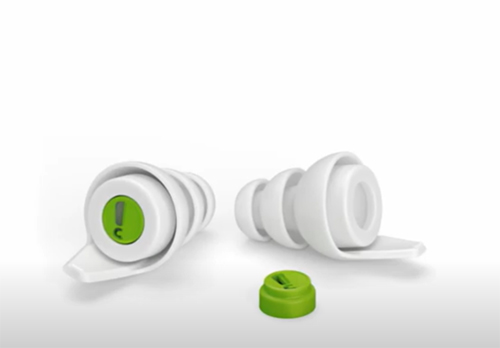
  6. Consider using filtered earplugs designed for air travel to regulate pressure changes.
Covid and Ear Pain Q&A

Q: Can Covid cause ear pain?

A: While ear pain is not a common symptom of Covid-19, some individuals have reported experiencing earache or discomfort during the course of the illness. It is important to consult a healthcare professional for an accurate diagnosis and appropriate guidance.5

Q: Should I be concerned if I have ear pain with other cold-like symptoms during the Covid-19 pandemic?

A: It is essential to monitor your symptoms closely and seek medical advice if you experience persistent or worsening ear pain, particularly in conjunction with other concerning symptoms, such as fever, loss of taste or smell, or difficulty breathing.5

Summary

Ear pain during a cold is typically a result of congestion in the Eustachian tubes and can cause discomfort and pressure in the middle ear. Most cases of ear pain with a cold resolve on their own as the underlying infection clears up. However, if the pain persists or becomes severe, it may indicate the presence of an ear infection or another underlying condition, warranting medical attention.

By understanding the nature of ear pain with a cold and employing appropriate medical and/or home remedies (see article on

How to relieve Earaches and Ear Pain), one can find relief and ensure optimal ear health.

Always consult a healthcare professional for personalized advice and guidance regarding ear pain and related symptoms.6

Reference List:

1. Common Cold (2022). MedlinePlus. https://medlineplus.gov/commoncold.html

2. Ear infections (2021)  NHS https://www.nhs.uk/conditions/ear-infections/

4. Earache (Ear Pain, Otalgia) (2022). Cleveland Clinic. https://my.clevelandclinic.org/health/diseases/22710-ear-ache-ear-pain

5. Mastroianni, B. (2022). Ear Infections and COVID-19. https://www.verywellhealth.com/ear-infection-and-covid-19-5192058

The information contained in this article is for educational and informational purposes only. You should not use the information as a substitute for, nor should it replace, professional medical advice. If you have any questions about your health, you should always consult with a physician or other health-care professional.

Author

Triton Hearing


Latest articles
  • L’otosclérose
  • A world-first: TeleAudiology
  • Meet Te Waka Āwhina: Our mobile hearing clinic
  • The high cost of untreated hearing loss; providing quality Audiological care
Our Solutions
  • Hearing Aids
  • Hearing Protection
  • Batteries
  • Shop
Contact us
  • Call us
    0800 45 45 43
  • Contact Us
  • Careers
  • All Policies
  • Consumer Policies
  • Promotional Policies
  • Privacy Policy
  • Cookie Privacy Notice
  • Data Protection Statement
  • Cookie Settings